Published on November 8, 2025
The Hidden Treasures of Vernal Pools: Protecting Seasonal Wetlands
Discover why these temporary wetlands are critical sanctuaries for endangered amphibians and invertebrates, and how Rancho SMC is working to preserve them.
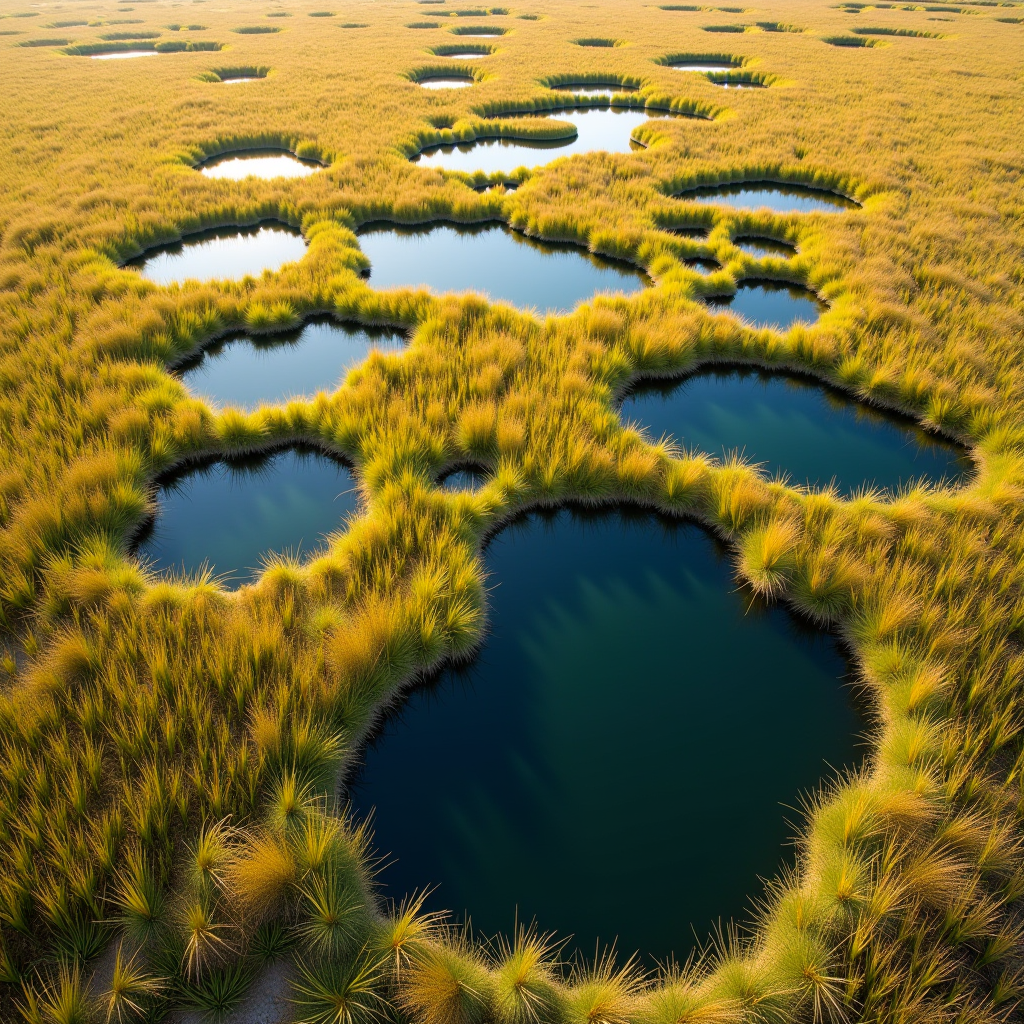
Vernal pools dot the landscape at Rancho SMC, creating vital habitat for specialized wildlife
At first glance, vernal pools might seem unremarkable—shallow depressions in the landscape that fill with winter rains and dry up by summer. Yet these temporary wetlands represent some of the most biologically significant habitats in our region, supporting an extraordinary array of endangered amphibians and invertebrates found nowhere else on Earth. At Rancho SMC, we've made the protection and monitoring of these seasonal treasures a cornerstone of our conservation mission.
The ephemeral nature of vernal pools—their cycle of filling and drying—creates unique ecological conditions that have driven the evolution of highly specialized species. These organisms have adapted to thrive in an environment that exists for only a few months each year, developing remarkable survival strategies that allow them to persist through long dry periods. Understanding and protecting these adaptations is crucial for maintaining biodiversity in our rapidly changing world.
What Makes Vernal Pools Special?
Vernal pools are defined by their seasonal flooding and complete drying cycle, typically filling with winter and spring rains and drying out by late spring or early summer. This predictable pattern of inundation and desiccation creates an environment free from fish predators, which cannot survive the annual drying period. The absence of fish is precisely what makes vernal pools so valuable for amphibians and invertebrates that would otherwise fall prey to these aquatic predators.
The pools form in shallow depressions with an underlying hardpan or clay layer that prevents water from percolating into the soil. This impermeable layer is essential for maintaining water levels long enough for the pool's inhabitants to complete their life cycles. At Rancho SMC, our vernal pools range from small depressions just a few feet across to larger basins spanning several acres, each supporting its own community of specialized organisms.
The water chemistry of vernal pools changes dramatically throughout the season. Early in the wet season, pools are dilute and cool. As spring progresses and evaporation increases, water temperatures rise and dissolved minerals become more concentrated. This changing environment requires inhabitants to be remarkably adaptable, capable of tolerating wide fluctuations in temperature, pH, and salinity—conditions that would stress or kill most aquatic organisms.
The vegetation surrounding vernal pools is equally distinctive. Native wildflowers create spectacular displays in concentric rings around the pools, with different species occupying zones based on their tolerance for inundation. These floral communities not only provide stunning visual beauty but also serve critical ecological functions, stabilizing pool edges, providing habitat for terrestrial life stages of pool inhabitants, and supporting pollinators and other beneficial insects.
Endangered Amphibians: The California Tiger Salamander
Among the most charismatic residents of our vernal pools is the California tiger salamander, a federally threatened species that depends entirely on these seasonal wetlands for reproduction. These striking amphibians, marked with bold yellow spots and bars against black skin, spend most of their adult lives underground in rodent burrows, emerging only during winter rains to migrate to vernal pools for breeding.
The tiger salamander's breeding strategy is perfectly synchronized with the vernal pool cycle. Adults arrive at pools in December and January, triggered by the first substantial rains. Females lay large egg masses attached to submerged vegetation, and the larvae that hatch must grow rapidly, transforming into terrestrial juveniles before the pools dry. This race against time requires abundant food resources and optimal water conditions—factors that make habitat quality critically important.
At Rancho SMC, our monitoring programs track tiger salamander populations through multiple methods. We conduct nighttime surveys during peak migration periods, counting adults as they move between upland habitat and breeding pools. We also monitor egg masses and larvae throughout the spring, documenting reproductive success and identifying factors that influence survival rates. This long-term data is essential for understanding population trends and evaluating the effectiveness of our conservation management.
The California tiger salamander faces numerous threats beyond habitat loss. Introduced predators, including bullfrogs and non-native fish that persist in modified wetlands, can devastate salamander populations. Climate change poses additional challenges, as altered rainfall patterns may cause pools to dry too early or fail to fill adequately. Our conservation work focuses on maintaining high-quality vernal pool habitat while managing these external threats through careful monitoring and adaptive management strategies.
Fairy Shrimp: Ancient Invertebrates in Temporary Waters
Perhaps no organisms are more emblematic of vernal pools than fairy shrimp—delicate crustaceans that seem to materialize from nowhere when pools fill with water. These remarkable invertebrates, some species of which are federally listed as endangered, have evolved extraordinary adaptations for surviving in ephemeral aquatic habitats. Their drought-resistant eggs, called cysts, can remain viable in dry pool sediments for years or even decades, hatching only when conditions are suitable.
Fairy shrimp swim upside-down through the water column, their feathery appendages creating graceful undulating movements. These appendages serve multiple functions: locomotion, respiration, and filter-feeding. The shrimp consume microscopic algae, bacteria, and organic particles, playing a crucial role in vernal pool food webs. They in turn provide essential nutrition for salamander larvae, diving beetles, and other pool inhabitants.
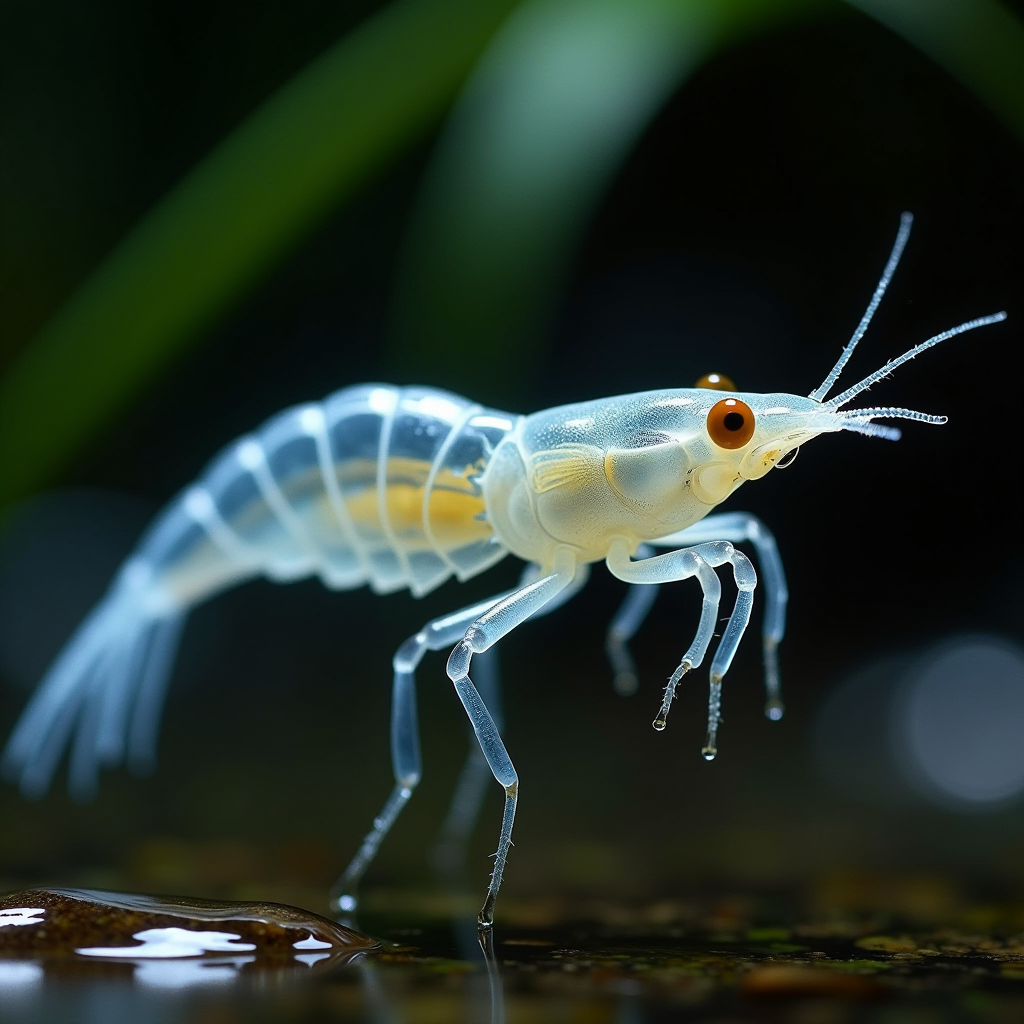
Fairy shrimp are ancient crustaceans perfectly adapted to vernal pool life cycles
The life cycle of fairy shrimp is a marvel of evolutionary adaptation. Adults must complete their entire life cycle—from hatching to reproduction—within the brief window when pools contain water, typically just 6-12 weeks. They grow rapidly, reaching maturity in as little as two weeks under optimal conditions. Females produce cysts continuously throughout their adult lives, ensuring that even if a pool dries prematurely, some offspring will survive to the next season.
At Rancho SMC, we've documented several fairy shrimp species, including the federally endangered vernal pool fairy shrimp. Our monitoring protocols involve careful sampling throughout the wet season, using fine-mesh nets to collect specimens for identification. We measure population densities, track reproductive activity, and correlate fairy shrimp abundance with environmental variables such as water temperature, pool depth, and hydroperiod length. This data helps us understand what conditions support healthy populations and how we can manage pools to optimize habitat quality.
The presence of fairy shrimp serves as an indicator of vernal pool health. Because they require specific conditions to complete their life cycle and are sensitive to water quality degradation, their abundance reflects overall ecosystem integrity. Pools with robust fairy shrimp populations typically support diverse communities of other invertebrates and provide high-quality breeding habitat for amphibians. Conversely, pools where fairy shrimp are absent or declining may be experiencing environmental stressors that require management intervention.
Rancho SMC's Vernal Pool Monitoring Programs
Our comprehensive monitoring programs represent one of the most extensive long-term studies of vernal pool ecosystems in the region. Since establishing baseline surveys over a decade ago, we've accumulated invaluable data on population trends, reproductive success, and environmental factors influencing pool communities. This information guides our management decisions and contributes to broader scientific understanding of vernal pool ecology and conservation.
Our monitoring approach combines multiple survey methods to capture the full complexity of vernal pool communities. Visual encounter surveys document amphibian activity, while dip-net sampling quantifies invertebrate populations. We install data loggers to continuously record water temperature and depth, providing detailed information on hydroperiod characteristics. Vegetation surveys track plant community composition and detect invasive species encroachment. Water quality testing measures pH, conductivity, and dissolved oxygen levels throughout the season.
Trained staff and volunteers conduct surveys on a regular schedule from December through May, visiting each monitored pool multiple times throughout the wet season. This intensive effort requires significant resources but yields data that would be impossible to obtain through less frequent sampling. The consistency of our protocols over time allows us to detect subtle changes in populations and identify emerging threats before they become critical.
Beyond basic population monitoring, we conduct experimental studies to test management strategies and understand ecological relationships. For example, we've investigated how grazing intensity affects vernal pool vegetation and water quality, finding that moderate grazing by native herbivores can actually benefit pool communities by reducing thatch accumulation and maintaining open habitat structure. We've also studied the effects of invasive plant removal on native species recovery, demonstrating that active restoration can successfully rehabilitate degraded pools.
Why These Modest Wetlands Deserve Protection
Despite their ecological significance, vernal pools remain among the most threatened habitats in our region. An estimated 90% of historical vernal pool habitat has been lost to agricultural conversion, urban development, and other land use changes. The pools that remain are often isolated fragments, separated from other pools by inhospitable landscapes that prevent wildlife movement and genetic exchange between populations.
The modest appearance of vernal pools has historically worked against their conservation. Unlike dramatic landscapes such as old-growth forests or pristine rivers, vernal pools can seem unremarkable to casual observers, especially when viewed during the dry season when they appear as simple depressions in grassland. This lack of visual drama has made it challenging to generate public support for their protection, even as scientists have documented their extraordinary biological value.
However, the tide is turning as awareness grows about the unique biodiversity these habitats support. Federal and state endangered species protections for vernal pool organisms have elevated the profile of these wetlands and provided legal mechanisms for their conservation. At Rancho SMC, we work to translate scientific understanding into public appreciation, offering educational programs that help visitors discover the hidden wonders of vernal pools and understand why their protection matters.
The protection of vernal pools extends beyond preserving individual species. These wetlands provide ecosystem services that benefit broader landscapes and human communities. They serve as natural water storage features, capturing rainfall and slowly releasing it, which helps reduce flooding and recharge groundwater. The vegetation surrounding pools filters sediments and pollutants, improving water quality. Vernal pools also support diverse insect communities, including native pollinators that are essential for agricultural productivity and natural plant reproduction.
Climate Change and the Future of Vernal Pools
Climate change poses perhaps the greatest long-term threat to vernal pool ecosystems. Altered precipitation patterns, including more variable rainfall and extended droughts, directly affect pool hydrology. Pools may fill later in the season, dry earlier, or fail to fill at all in drought years. These changes can disrupt the carefully synchronized life cycles of pool inhabitants, potentially causing reproductive failure and population declines.
Our long-term monitoring data is proving invaluable for understanding how vernal pool communities respond to climate variability. We've documented significant year-to-year variation in reproductive success for both amphibians and invertebrates, with outcomes closely tied to rainfall timing and amount. In years when pools fill early and maintain water for extended periods, we observe high survival rates and abundant recruitment. Conversely, years with late-season filling or early drying result in poor reproductive outcomes.
This variability underscores the importance of protecting networks of vernal pools rather than isolated sites. When conditions are poor in some pools, others may provide refuge where populations can persist. Over time, these source populations can recolonize pools where local extinctions have occurred. Maintaining connectivity between pools—through protected corridors and appropriate land management—is essential for this metapopulation dynamic to function.
At Rancho SMC, we're implementing adaptive management strategies to help vernal pool communities cope with changing conditions. This includes protecting upland habitat around pools to provide refugia during dry periods, managing vegetation to optimize water retention, and controlling invasive species that may gain advantages under altered climate conditions. We're also participating in regional conservation planning efforts to ensure that vernal pool protection occurs at landscape scales appropriate for maintaining viable populations.
How You Can Support Vernal Pool Conservation
The conservation of vernal pools requires sustained commitment from scientists, land managers, policymakers, and the public. At Rancho SMC, we welcome support from individuals who want to contribute to protecting these remarkable habitats. Volunteer opportunities include participating in monitoring surveys, helping with habitat restoration projects, and assisting with educational programs that introduce others to vernal pool ecology.
Financial support enables us to maintain our monitoring programs, purchase equipment, and expand our conservation efforts. Donations help fund the data loggers, field supplies, and laboratory analysis that underpin our research. They also support the staff and volunteer coordinators who organize and conduct surveys, ensuring that our monitoring remains consistent and scientifically rigorous.
Beyond direct involvement with Rancho SMC, individuals can support vernal pool conservation through everyday choices and advocacy. Learning to recognize and appreciate vernal pools in your local area helps build public awareness of their value. Supporting land use policies that protect wetlands and require mitigation for unavoidable impacts ensures that development occurs responsibly. Participating in citizen science programs expands the geographic scope of monitoring and engages communities in conservation.
Education is perhaps our most powerful tool for ensuring the long-term protection of vernal pools. When people understand the remarkable adaptations of fairy shrimp, the beauty of tiger salamanders, and the ecological importance of these seasonal wetlands, they become advocates for their conservation. We invite you to visit Rancho SMC during the wet season to experience vernal pools firsthand, to witness the explosion of life that occurs when these modest depressions fill with water, and to discover why these temporary wetlands deserve permanent protection.
"Vernal pools remind us that conservation isn't always about protecting the most dramatic or charismatic habitats. Sometimes the most important work involves safeguarding modest places that harbor extraordinary life—places that might disappear unnoticed if we don't pay attention."
— Dr. Maria Chen, Rancho SMC Conservation Director
The vernal pools at Rancho SMC represent more than just habitat for endangered species—they are windows into evolutionary processes, laboratories for understanding ecological adaptation, and reminders of the intricate connections that sustain biodiversity. Through our monitoring programs and conservation efforts, we're working to ensure that these seasonal treasures continue to support their unique communities for generations to come. The modest appearance of vernal pools belies their profound ecological significance, and their protection stands as a testament to our commitment to conserving all elements of our natural heritage, not just those that immediately capture our attention.